

About Sri Lanka
One island.
Every kind of journey.
Ancient kingdoms, misty tea hills, wild national parks and golden beaches — all within a few hours of each other. Here’s what to know before you go.
Quick facts
Sri Lanka at a glance
Capital
Sri Jayawardenepura Kotte
Colombo is the commercial capital and main city.
Languages
Sinhala and Tamil
English is widely spoken in tourism.
Currency
Sri Lankan rupee (LKR)
ATMs in towns; cards accepted in most hotels.
Time zone
GMT +5:30
No daylight-saving changes.
Main airport
Bandaranaike International (CMB)
Near Negombo, north of Colombo.
Visa
ETA for most visitors
Apply online before you travel; check current rules.
Power
230 V · plug types D and G
Bring a universal adaptor.
Climate
Tropical, warm all year
Cooler and misty in the hill country.
The regions
Seven worlds on one island
Tap a region on the map to see what it’s known for, the best time to go and how far it is from the airport.

Colombo & the West Coast
Colombo’s markets, colonial buildings and food scene, with Negombo’s lagoon close to the airport and the beaches of Bentota to the south.
- Colombo street food
- Negombo lagoon
- Bentota river safari
The Cultural Triangle
The island’s ancient heartland: royal capitals, a rock-top palace and cave temples covered in murals.
- Sigiriya
- Anuradhapura
- Polonnaruwa
- Dambulla
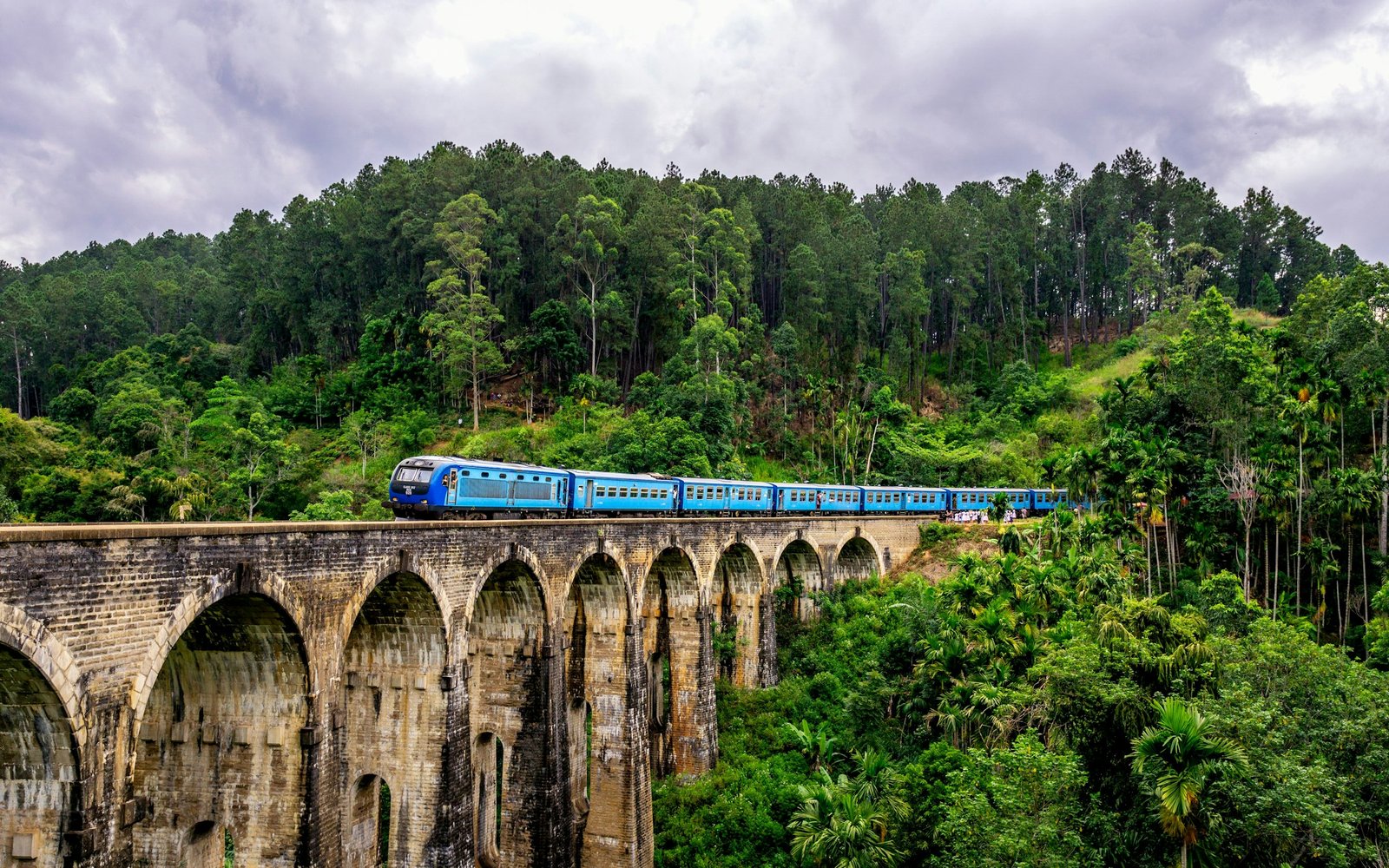
The Hill Country
Cool green highlands of tea estates, waterfalls and the famous scenic train between Kandy, Nuwara Eliya and Ella.
- Temple of the Tooth
- Tea estates
- Ella train

The South Coast
Palm-lined bays, the walled fort town of Galle and blue whales offshore in season.
- Galle Fort
- Whale watching
- Tangalle beaches

The Wildlife Parks
Dry-zone national parks with leopards, elephant herds, sloth bears and rich birdlife.
- Yala
- Udawalawe
- Bundala

The East Coast
Quiet beaches, coral reefs and surf breaks that come into season when the south coast is rainy.
- Trincomalee
- Pasikudah
- Arugam Bay

Jaffna & the North
Tamil culture, colourful Hindu temples, island causeways and some of the island’s most distinctive food.
- Nallur temple
- Jaffna cuisine
- Island causeways
Drive times are approximate and depend on traffic and route.
When to visit
There’s no bad month — just the right coast
Two monsoons reach the island at different times of year. Pick your travel month to see where the weather is usually best.
Typical conditions, not a forecast. Showers can happen in any month — usually short and warm.
Top experiences
Eight things to put on your list
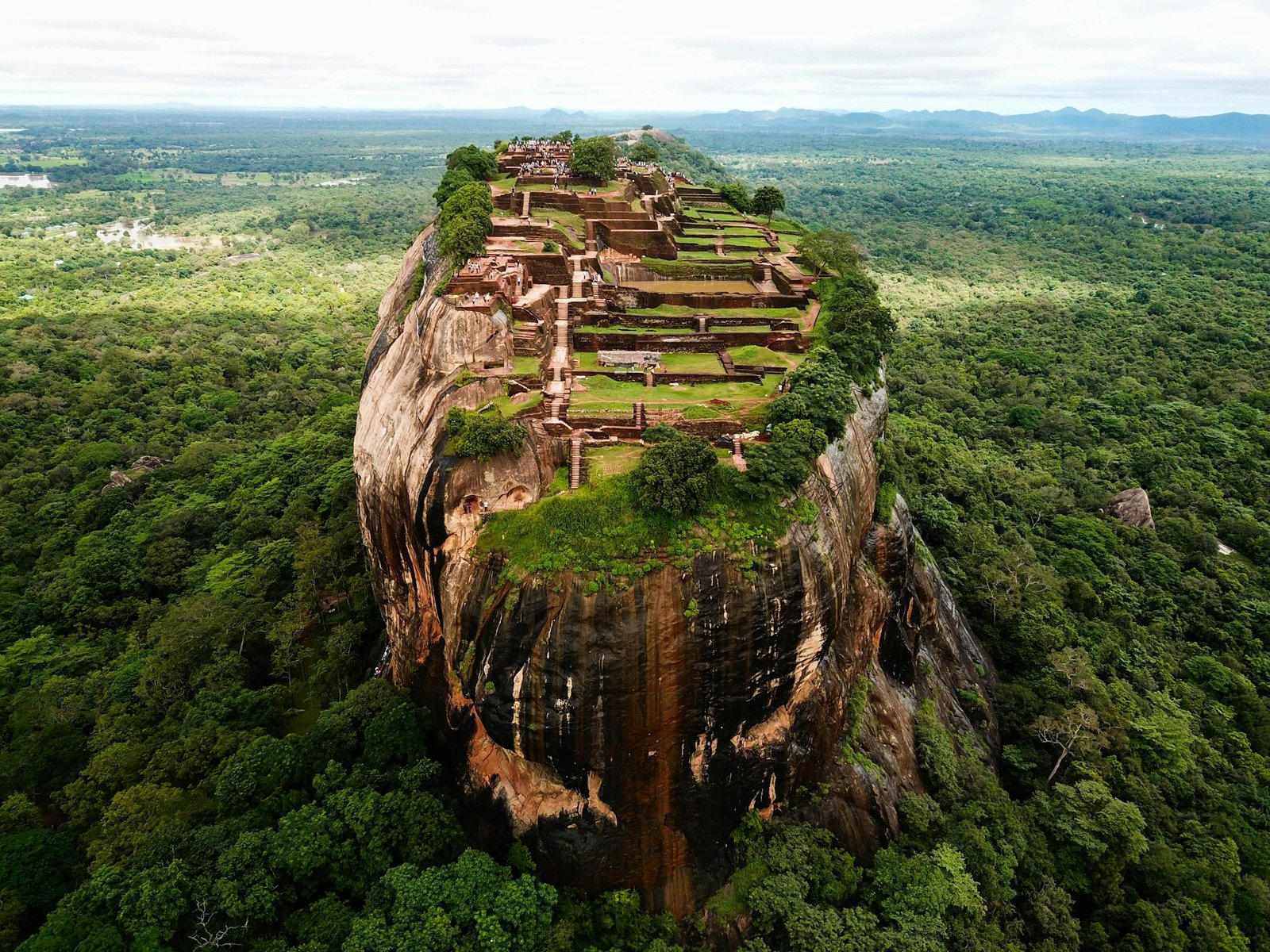
Climb Sigiriya at sunrise
Heritage journeys →
Ride the hill-country train
Adventure journeys →
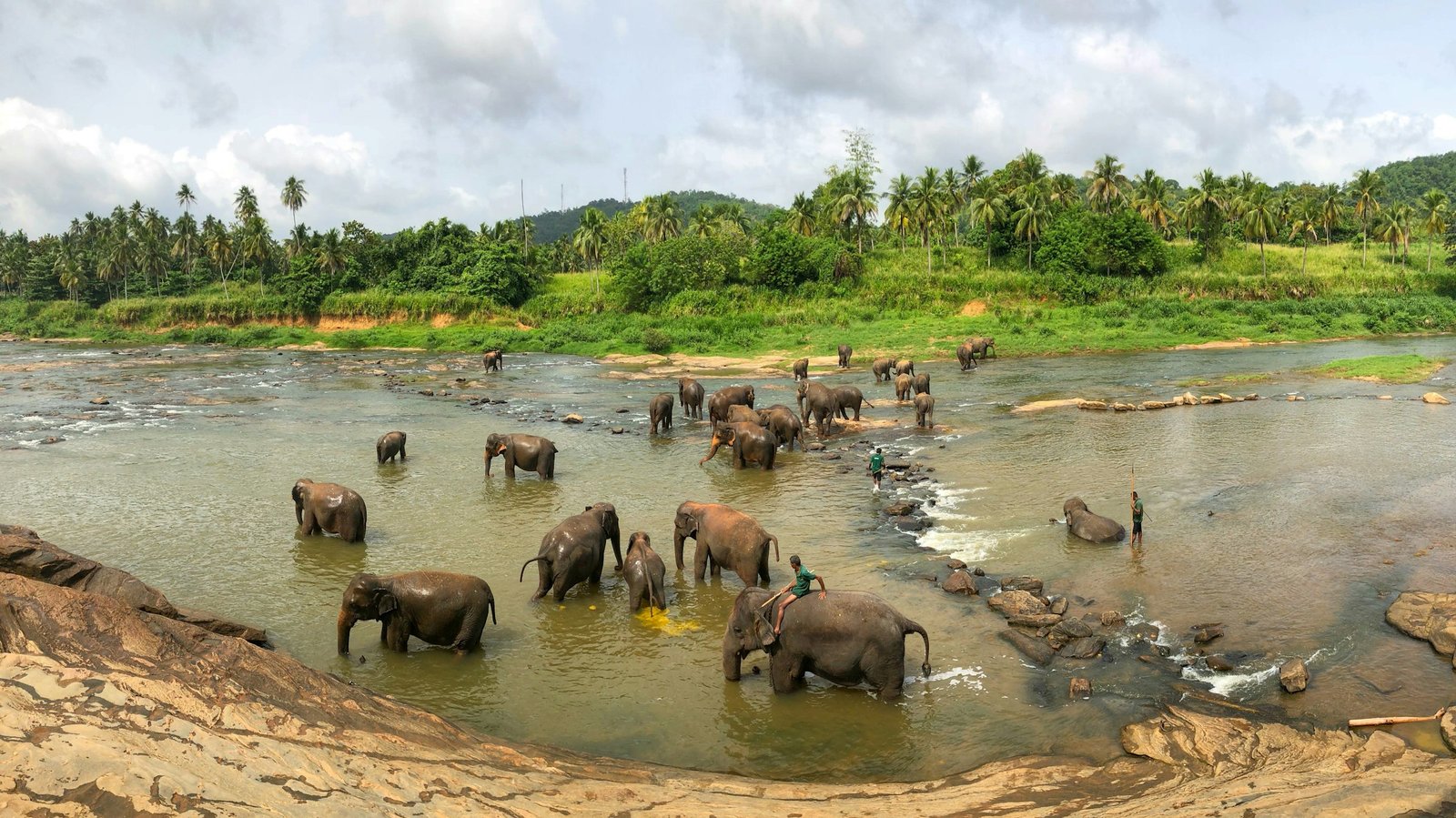
Spot leopards in Yala
Wildlife journeys →

See blue whales off Mirissa
Beach journeys →

Walk the walls of Galle Fort
Heritage journeys →

Stay in a tea-planter’s bungalow
Honeymoon journeys →
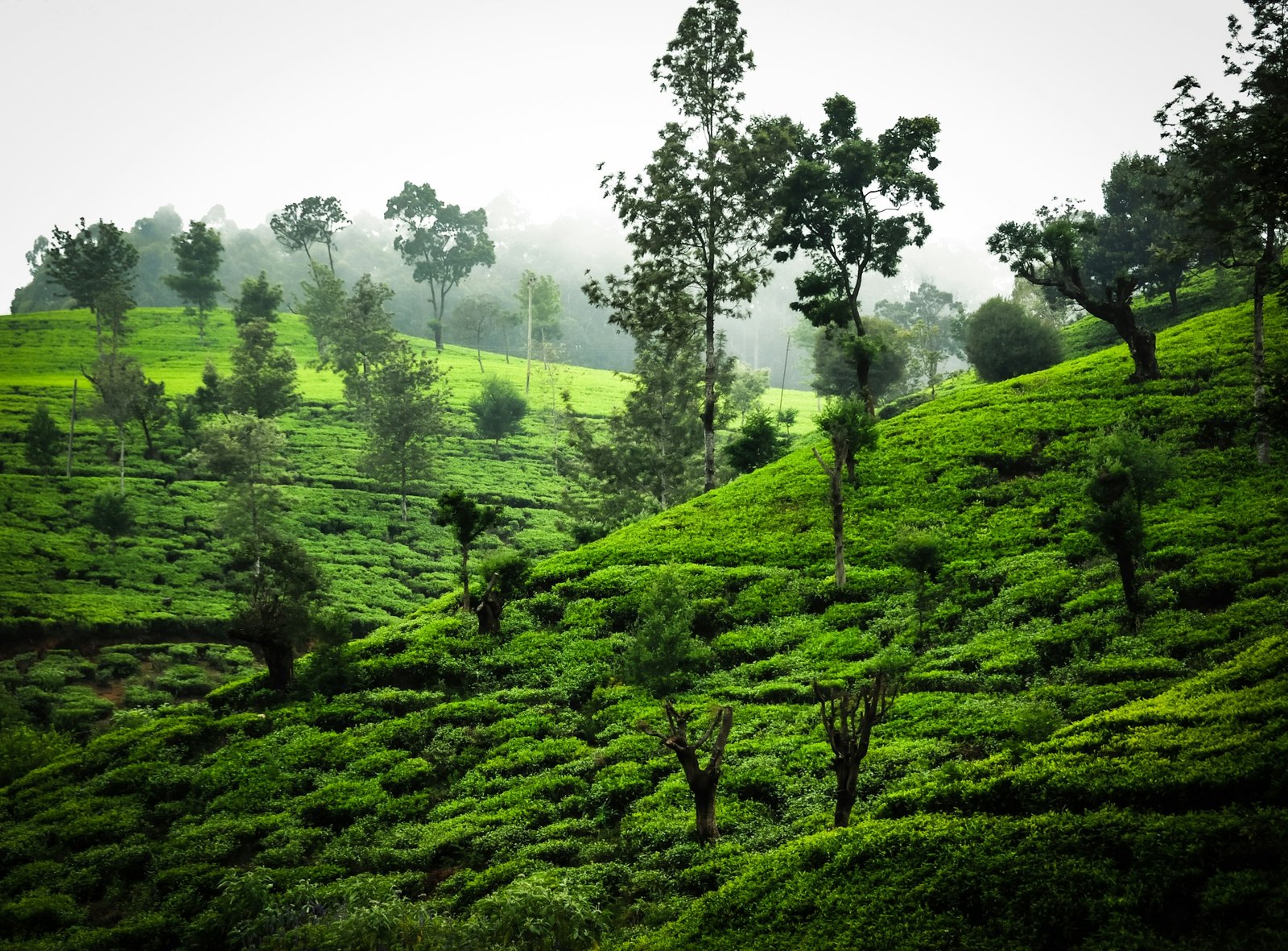
Unwind with Ayurveda
Wellness journeys →
Surf Arugam Bay
Adventure journeys →
Food & culture
A taste of the island
Spice, coconut and a little heat — and a calendar full of festivals.
Rice & curry
Rice with several small curries, sambols and papadum — the everyday feast.
Hoppers
Crisp, bowl-shaped pancakes, often with an egg cooked in the middle.
Kottu roti
Chopped flatbread stir-fried with vegetables, egg or meat — listen for the clatter.
Ceylon tea
Grown in the hills since the 1800s — taste it fresh at an estate factory.
Festivals worth planning around
April
Sinhala & Tamil New Year
Family traditions, games and festive sweets across the island.
April / May
Vesak
Lanterns, lights and free food stalls marking the Buddha’s birth, enlightenment and passing.
July / August
Kandy Esala Perahera
Nights of drummers, dancers and decorated elephants in Kandy.
October / November
Deepavali
The Hindu festival of lights, celebrated with lamps and sweets.
Many festival dates follow the lunar calendar and change each year.
Travel tips
Good to know before you fly
Get your ETA online
Most nationalities need an Electronic Travel Authorisation before arrival. Apply through the official website.
Check your passport
Make sure it’s valid well beyond your travel dates — your airline and ETA will require this.
Pack light and layered
Breathable clothes for the heat, a warm layer for the hills and something that covers shoulders and knees for temples.
Take out travel insurance
Make sure it covers any activities you plan, like rafting or surfing.
Private car and driver-guide
Every Ontime journey includes your own air-conditioned vehicle and driver-guide.
Scenic trains
The hill-country line is one of the world’s most beautiful rides. Reserved seats sell out — we book where possible.
Allow time on the road
Distances are short but roads are winding, so travel times are longer than maps suggest.
Expressways help
Expressways link the airport, Colombo and the south coast for faster transfers.
Sri Lankan rupee
Carry some cash for markets, tuk-tuks and small cafés.
Cards and ATMs
Cards work in most hotels and larger restaurants; ATMs are easy to find in towns.
Tipping
Tipping is customary for driver-guides, safari drivers and hotel staff. Your planner can suggest guidelines.
Paying for your trip
No card details online — payment details arrive with your quote on WhatsApp & email.
Temple etiquette
Cover shoulders and knees, and remove shoes and hats before entering.
Respect Buddha images
Don’t pose for photos with your back to a Buddha statue.
Water and mosquitoes
Drink bottled or filtered water, and use repellent, especially at dusk.
Ask before photos
Ask before photographing people, especially monks and at religious sites.
Entry rules change — always check the official ETA website and your government’s travel advice before you fly.
Seen enough?
Let’s plan your Sri Lanka
Compose your route, browse ready journeys or chat with a planner — your quote arrives by email and WhatsApp.